
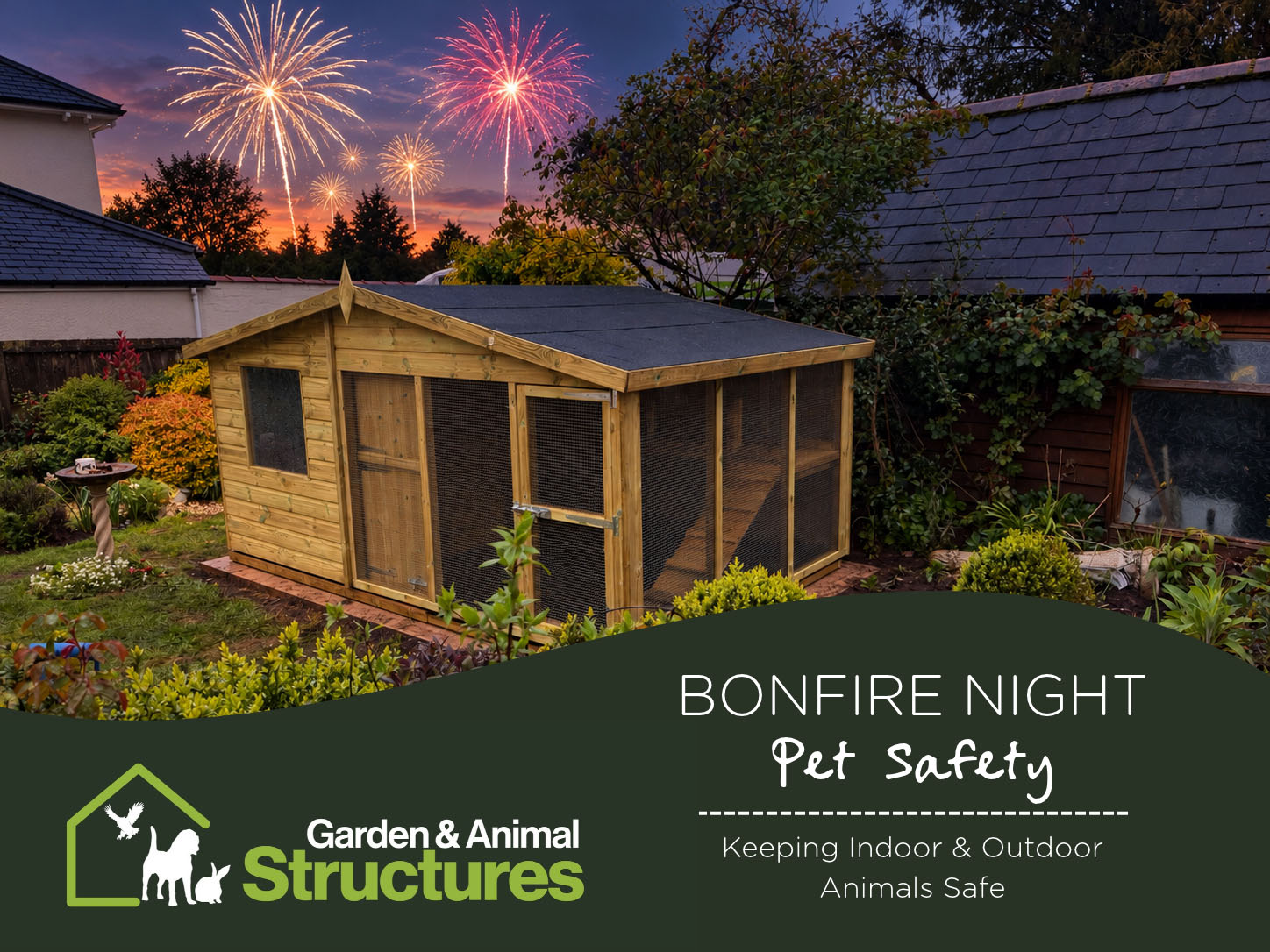
Bonfire Night Pet Safety Tips | Garden & Animal Structures
Bonfire Night Pet Safety: How to Keep Indoor & Outdoor Animals Safe During Fireworks 🎆
Bonfire Night is just around the corner, and while fireworks can be an exciting part of the celebrations, they can be a frightening experience for our pets and other animals.
Loud bangs, sudden flashes of light and unfamiliar noises can cause considerable stress, particularly for animals living outdoors. At Garden & Animal Structures, we understand how important it is to provide animals with safe, secure and comfortable housing. Whether you have dogs, cats, rabbits, guinea pigs, birds or other outdoor animals, there are plenty of simple steps you can take to help them feel safer during firework season.🐶 Keeping Dogs & Cats Safe During Fireworks
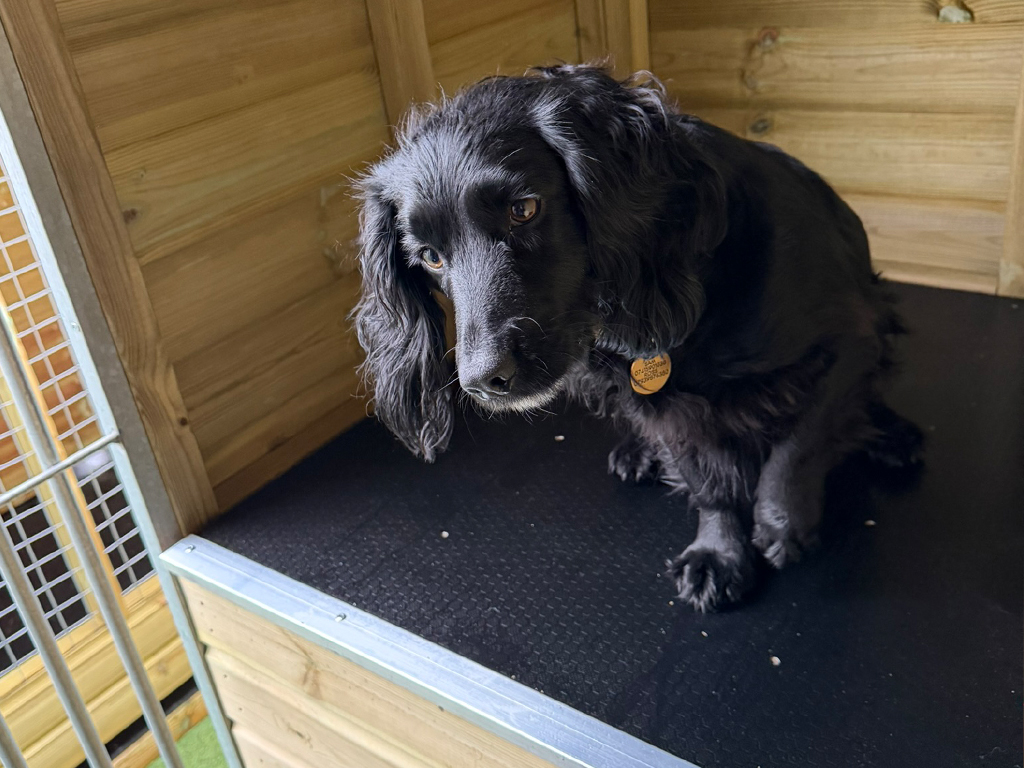 Dogs and cats can be particularly sensitive to loud noises, and even animals that haven’t previously shown signs of fear can become unsettled.
Our top tips:
- Plan walks early: Exercise dogs during daylight hours, before fireworks are likely to begin. Always keep them on a lead when outdoors during firework season.
- Keep pets indoors: Bring cats and dogs inside before dark and ensure doors, windows and cat flaps are securely closed.
- Create a safe space: Provide a quiet, comfortable area where your pet can retreat. This might be their usual bed, a covered crate they already enjoy using, or a cosy corner of the house.
- Reduce outside disturbances: Close curtains to minimise flashes and consider playing the television, radio or calming background sounds to help soften the noise.
- Offer reassurance: Allow your pets to seek comfort if they want it, but don’t force them out of hiding or make them interact.
🐰 Protecting Rabbits & Guinea Pigs During Bonfire Night
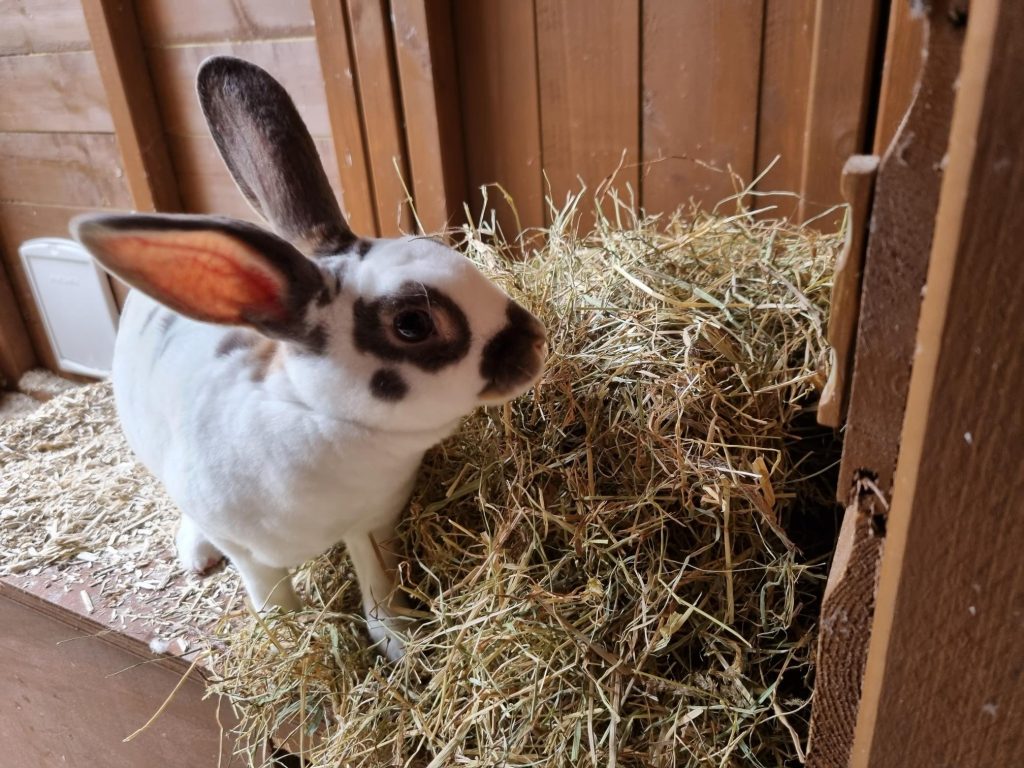 Rabbits and guinea pigs are prey animals, meaning sudden loud noises and unexpected movements can trigger a strong fear response.
For animals living in outdoor hutches and runs, it’s especially important to prepare their accommodation before fireworks begin.
Here’s how you can help:
- Consider moving their accommodation: If practical, move rabbits and guinea pigs to a quiet, secure, well-ventilated shed or outbuilding. Avoid sudden changes of environment where these would cause additional stress.
- Provide plenty of hiding places: Tunnels, enclosed sleeping areas and familiar shelters give animals somewhere to retreat when frightened.
- Add suitable bedding: Ensure sleeping compartments have plenty of clean, dry, appropriate bedding and that animals have constant access to hay.
- Reduce flashes of light: Consider partially covering exposed sections of their accommodation with a suitable breathable cover, ensuring ventilation is never restricted.
- Check security: Make sure doors, catches, mesh panels and enclosure fittings are secure.
- Keep bonded companions together: Rabbits and guinea pigs should remain with their established companions, as separating them can cause additional stress.
Why Secure Outdoor Housing Matters
Good-quality outdoor housing provides more than just protection from the weather. Secure sleeping areas, sheltered compartments and suitable hiding places can help animals feel more comfortable in their surroundings. However, no ordinary outdoor hutch or enclosure should be considered soundproof or completely protective against fireworks. Additional precautions may still be necessary.🦉 Firework Safety for Birds, Aviaries & Falconry Mews
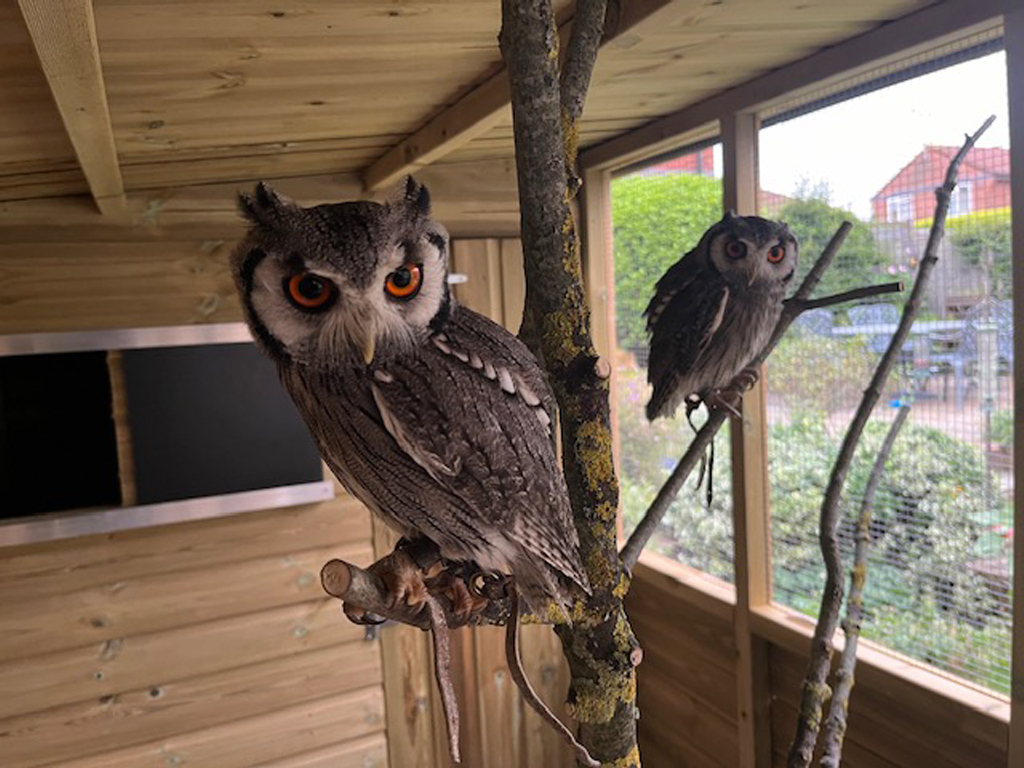 Birds can be highly sensitive to sudden noises and flashes of light. Fireworks may cause them to panic, flutter suddenly or collide with enclosure fittings.
For birds housed in outdoor aviaries and falconry mews, it’s worth taking extra precautions before firework displays begin.
Things to consider:
- Inspect the enclosure: Check mesh, doors, locks and fittings to ensure everything is secure.
- Provide suitable sheltered areas: Birds should have access to familiar, appropriate shelter away from direct flashes and disturbances.
- Check internal fittings: Make sure perches and other fixtures are secure to reduce the risk of injury if birds become startled.
- Minimise disturbances: Avoid unnecessary handling or changes to their routine during firework activity.
- Monitor their behaviour: Watch for unusual signs of distress, injury or changes in normal behaviour.
🐾 Don’t Forget Other Outdoor Animals
Fireworks can also affect chickens, ducks and other animals kept outdoors. Check that their housing is secure, provide suitable sheltered spaces and make sure animals can retreat somewhere familiar. Avoid making sudden changes to established routines and always consider the specific needs of the species you keep.🎃 Halloween Hazards to Watch Out For
It’s not just fireworks that pet owners need to think about at this time of year! Halloween brings a few additional hazards worth remembering:- Chocolate and sweets: Keep Halloween treats well out of reach of pets. Chocolate and products containing xylitol can be particularly dangerous to dogs.
- Pumpkins and decorations: Keep carved pumpkins, candles, batteries and decorative items away from curious animals.
- Trick-or-treat visitors: Frequent knocks at the door and unfamiliar costumes can unsettle nervous pets. Consider creating a quiet space away from the front door.
- Garden decorations: Ensure decorations, wires and lights cannot be chewed, swallowed or become tangled around animals.
🎆 Preparing Before Bonfire Night
One of the best things you can do is prepare in advance. Fireworks aren’t always limited to 5th November. Displays and private celebrations may take place across several evenings and weekends. If possible, check when local firework displays are planned so you can make arrangements for your animals. Before fireworks begin:- Check that all outdoor accommodation is secure and in good condition.
- Prepare suitable hiding places and sheltered areas.
- Make sure animals have access to their usual food and fresh water.
- Bring vulnerable or frightened animals into a suitable indoor environment where appropriate.
- Ensure microchip details are up to date for pets that are required or eligible to be microchipped.